Want to improve your balance?

Balance
We use balance for the majority of our lives day to day, to stay upright and perform activities. Playing sport usually requires a combination of speed and balance to help execute various techniques and skills with precision and ease. What if there was a way we could enhance both of these to make us better at the sports we are playing or our day to day activities?
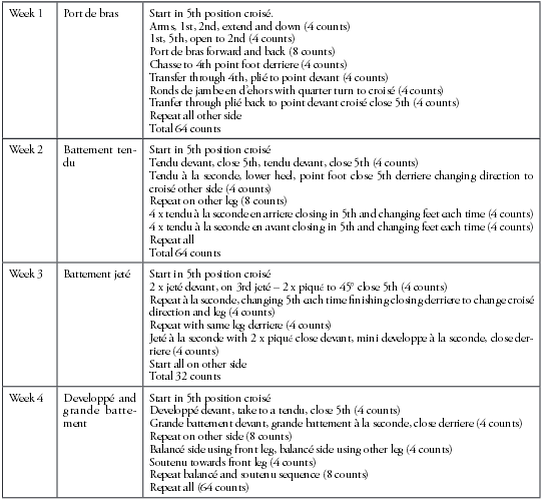
Doing basic movement/training blindfolded can increase your balance and speed of that particular movement/skill by up to 16%. The research was based on dancers performing dance-specific sequences, in a clockwise or anticlockwise direction (see below picture, subject facing ‘Front’). The program ran for 5 days/week for 4 weeks. With such an improvement in such a short time, continued training with a blindfold could potentially have a huge benefit.

So, how does it work? Proprioception is the brains ability to know where a body part is without looking at it. For example, scratching your nose in the dark. With closed eyes your balance is compromised. Proprioception is what your body uses to stay upright and know where your limbs are. So, blindfolded training can be specific to improving your proprioception. If you can improve your technique/skill with one less sense then you can increase it even more once you bring sight back.
The program in the research paper repeated the same exercises each day (see below picture). To challenge your body even more you can make the exercises more variable each day or within each session. If you’re thinking of trying some blindfolded (closed eyes) training, speak to a health professional or industry specific teacher. They can guide you on what would be safe and relevant exercises for you.
References
1. The effect of an eyes-closed dance-specific training program on dynamic balance in elite pre-professional ballet dancers: a randomized controlled pilot study.
Hutt K1, Redding E2.


